Custom Toy Development

Custom Toy Development Support from Idea to Sample

Have a toy idea, mascot, character sketch or early product concept? Tracy helps you turn it into a clearer China sourcing path, from product format decisions and supplier questions to samples, packaging and safer next steps.

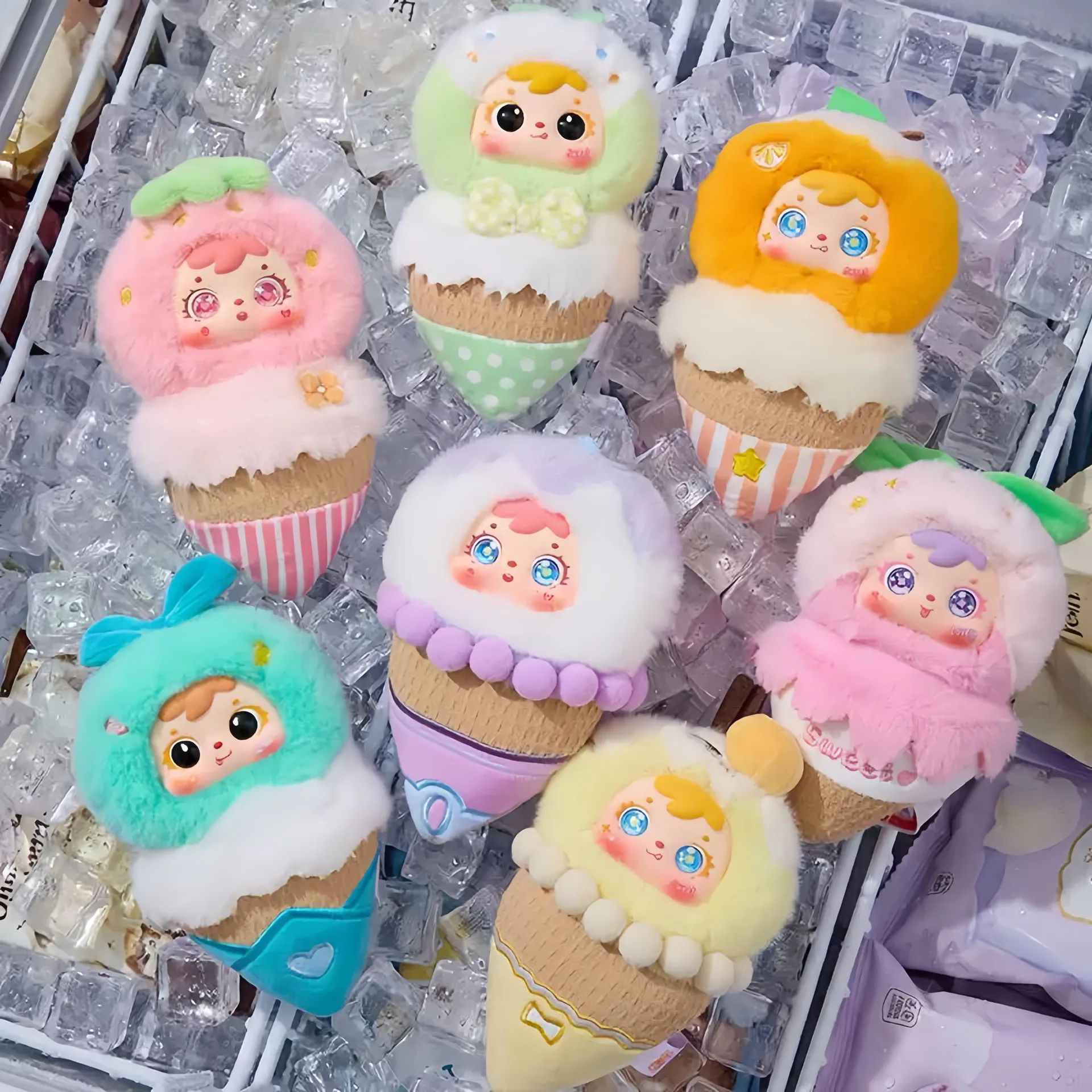
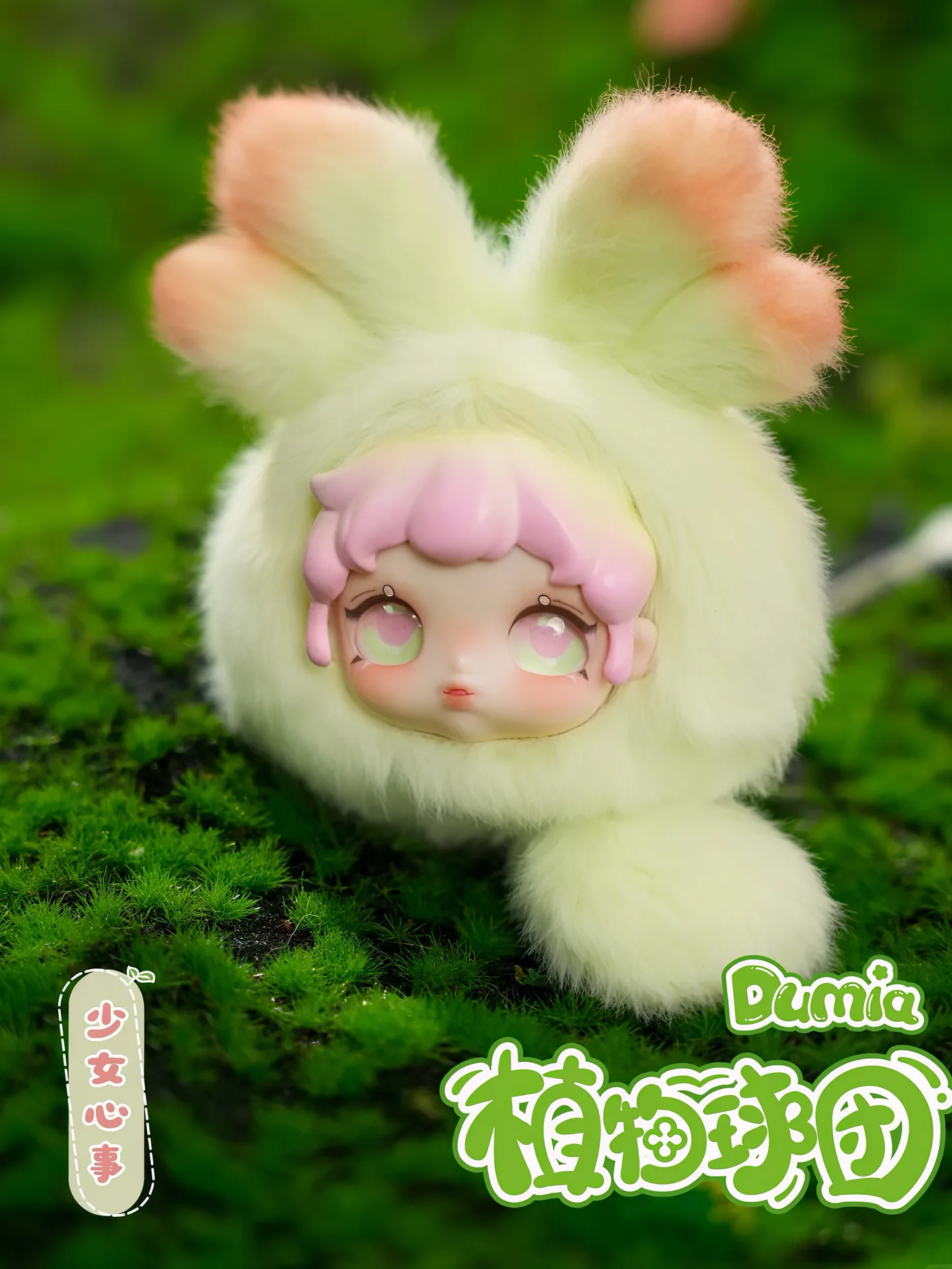
Custom character product from the Cloud9 sourcing range

Development Support

A toy idea is not always factory-ready.

Before a supplier can quote properly, your concept needs clearer decisions around product format, materials, sample route, packaging, MOQ and IP ownership.

Many buyers start with sketches, mascot artwork, product references, brand colors or an audience idea. That is enough to begin a conversation, but it may not be enough for a factory to quote accurately or make a useful sample.

Cloud9 helps buyers turn early toy ideas into clearer sourcing requirements. Tracy helps you think through product format, supplier type, sample path, packaging, MOQ drivers, testing questions and brand-safety boundaries before you commit to development costs.

This page is for original toy concepts across custom character products, plush toys, vinyl and PVC figures, blind-box style collectibles, bag charms, keychains and giftable accessories. It is not for copying existing branded toys.

Why Buyers Need Help

Early toy development gets expensive when the first step is unclear.

The biggest development risks usually appear before production: wrong product format, wrong supplier type, unclear sample route, weak packaging plan or unsafe IP assumptions.

  • The concept is not supplier-ready

    A sketch, mascot or idea needs to be translated into a practical product format with size, materials, components, packaging and sample expectations.

  • The wrong product format wastes time

    One character might work as plush, a PVC figure, a bag charm, a blind-box style series or a gift set. Each path changes MOQ, sample cost and supplier fit.

  • Different formats need different suppliers

    A plush supplier may not handle vinyl figures. A keychain supplier may not understand toy compliance. A blind-box supplier may not be right for a mascot plush.

  • Prototype and tooling costs are hard to predict

    Pattern making, 3D sculpting, mold tooling, paint setup, packaging proofs and sample rounds can change cost before bulk production begins.

  • Packaging is often planned too late

    Story cards, hangtags, blind boxes, window boxes, backing cards, inserts, barcode labels and display trays can affect sample approval and MOQ.

  • IP mistakes can kill a project

    Development should start with original or properly authorized artwork, not references to copy famous characters, viral toys or branded collectibles.

What Cloud9 Helps With

Development support before the project becomes a production order.

Cloud9 helps early-stage toy buyers organize the decisions that suppliers need before samples and production can move forward.

  • Idea clarification

    Turn a concept, sketch, mascot or reference into a clearer sourcing brief with product type, target use, quantity and destination market.

  • Product format selection

    Compare whether the idea fits plush, figures, charms, blind-box style packaging, giftable accessories or a mixed product range.

  • Supplier route planning

    Identify what kind of supplier may be needed, from plush pattern makers to PVC figure factories, charm suppliers or packaging vendors.

  • Prototype and sample coordination

    Discuss sample routes, revision stages, visible checks, sample feedback and what should be approved before bulk production.

  • Packaging and retail readiness

    Plan hangtags, story cards, backing cards, blind boxes, window boxes, inserts, labels, barcodes and display packaging earlier.

  • IP-safe development boundaries

    Keep development focused on buyer-owned, original or properly authorized characters and product ideas.

Development Paths

Custom toy ideas can become several product formats.

The right development path depends on budget, MOQ, timeline, audience, materials, packaging and how much product detail already exists.

  • Custom character product from the Cloud9 sourcing range

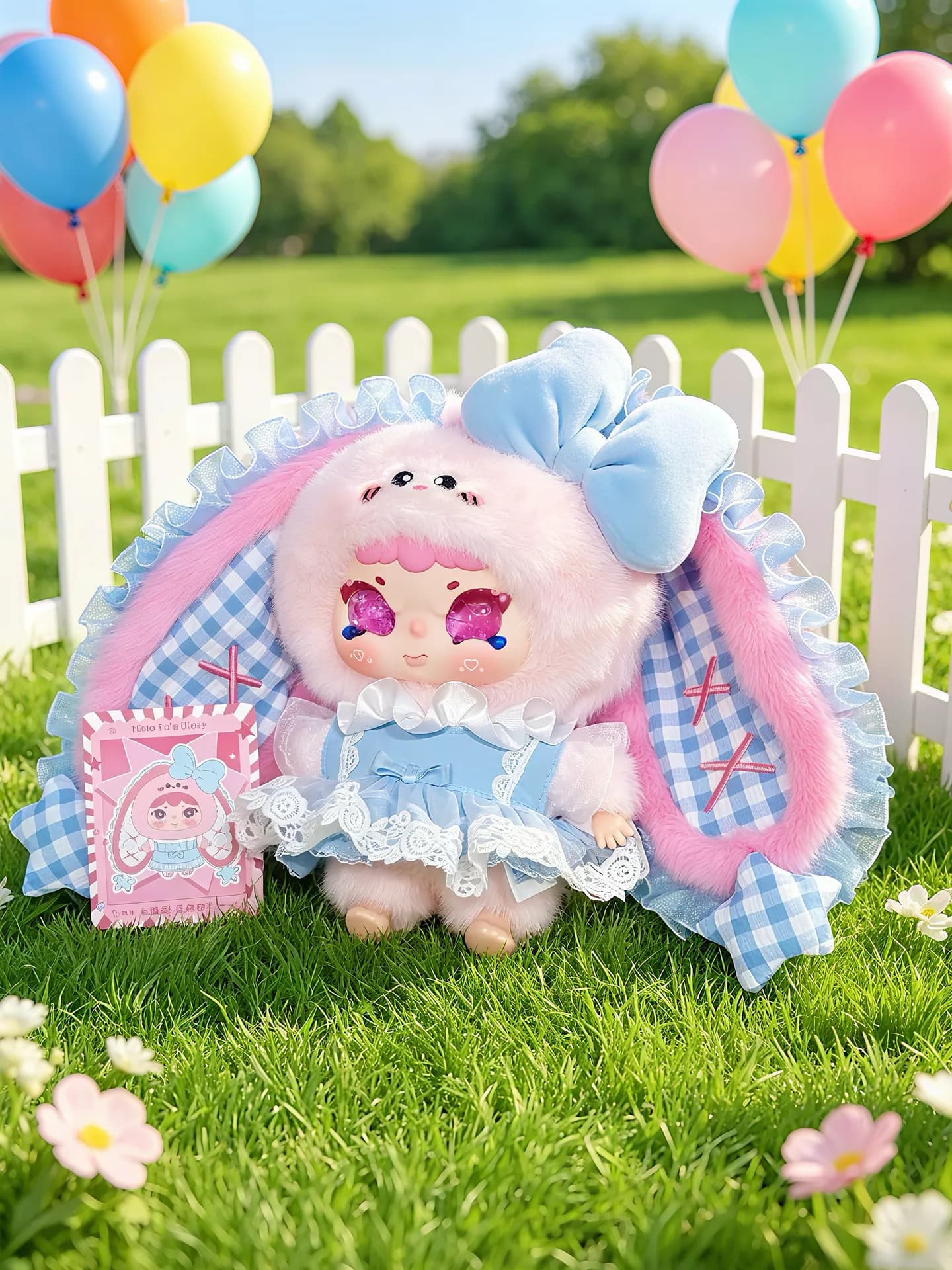
    Custom character products

    Original mascots, branded character toys, character plush, custom vinyl figures, PVC figures, keychains, charms and character-led gift products.

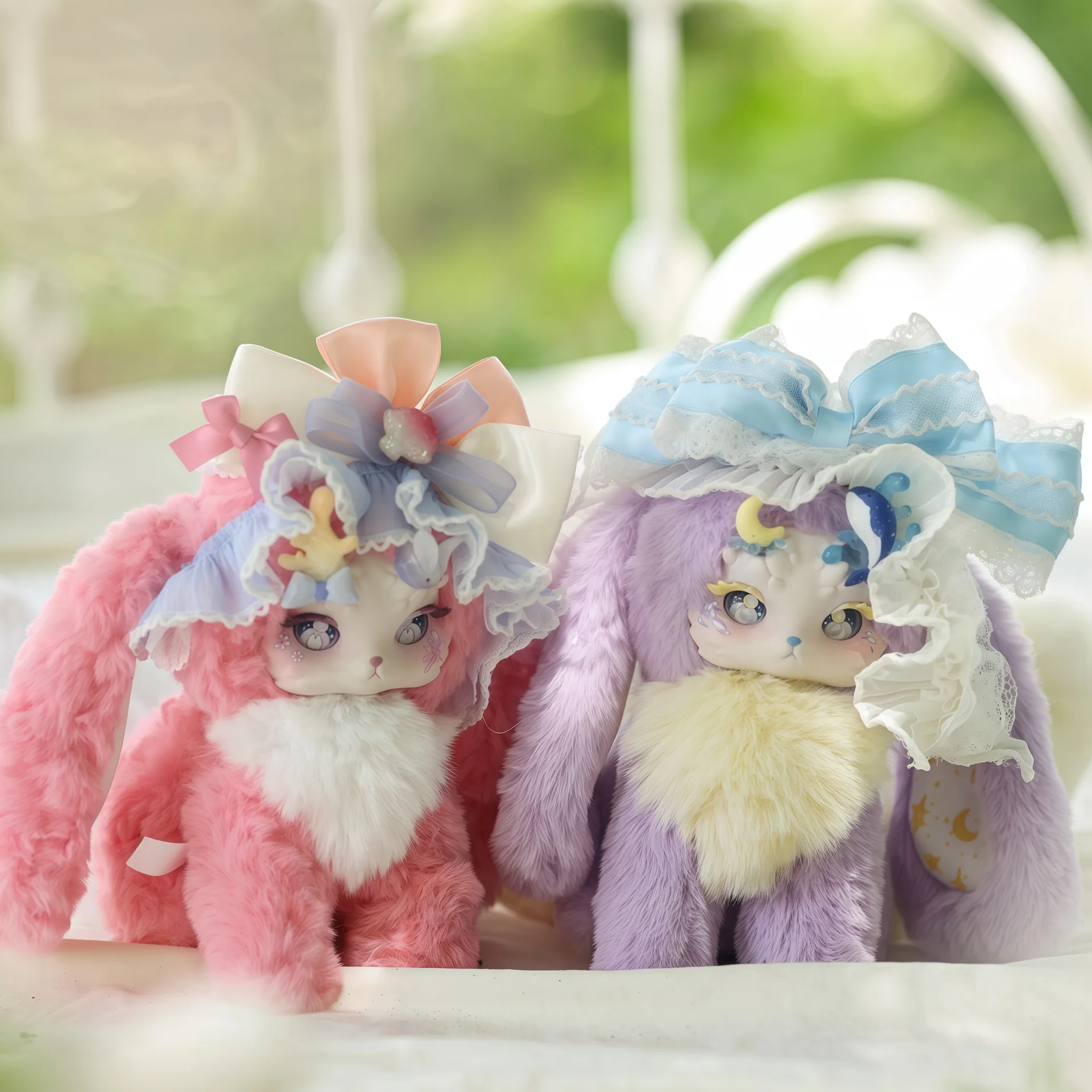
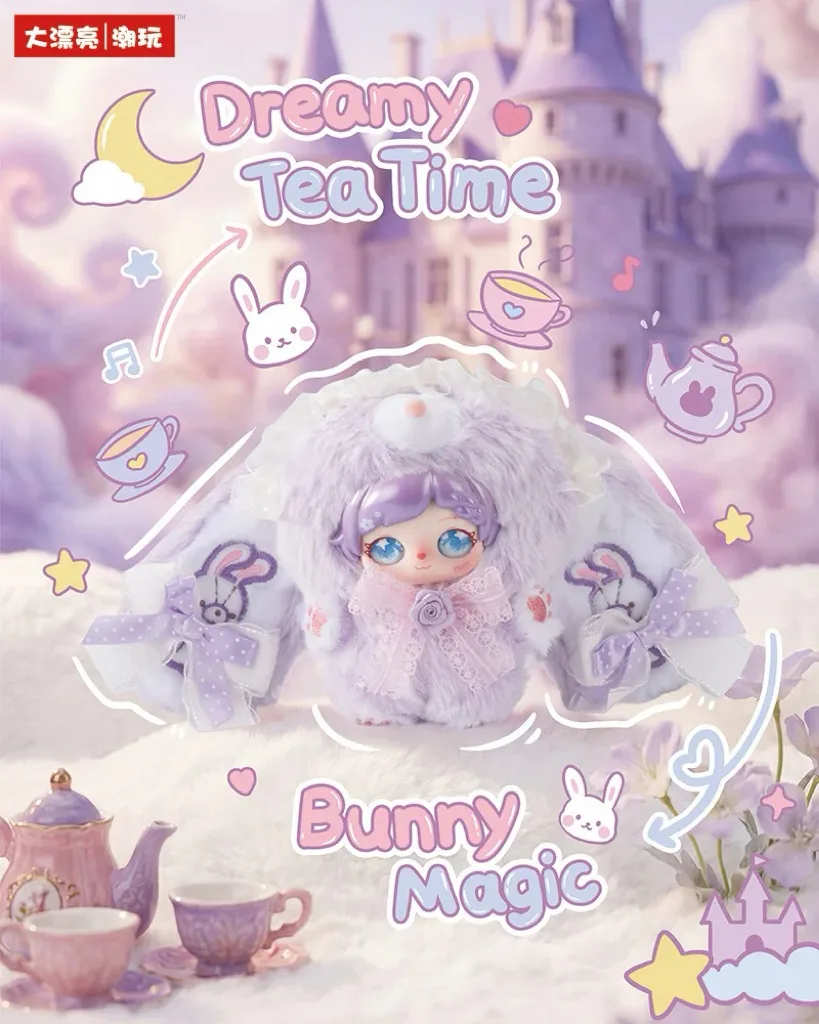
    • Mascot plush
    • Character plush toys
    • Custom vinyl figures
  • Plush toy concepts

    Soft toy ideas developed through pattern making, fabric choices, embroidery, stuffing, labels, sample revisions and packaging.

    • Custom plush toys
    • Private label plush
    • Mascot plush
  • Vinyl and PVC figure concepts

    Molded character or display collectibles that may require sculpting, tooling, painted samples, accessories and protective packaging.

    • Vinyl figures
    • PVC figures
    • Soft vinyl toys
  • Blind-box style concepts

    Original collectible series developed with character sets, common and rare-style variants, inner pouches, collector cards and display trays.

    • Blind-box style figures
    • Mystery-box collectibles
    • Blind bag toys
  • Giftable accessory concepts

    Small product ideas such as keychains, bag charms, mini plush keychains, acrylic charms, silicone charms and retail-ready add-ons.

    • Bag charms
    • Custom keychains
    • Mini plush keychains

Product Format Selection

Choosing the right format is the first development decision.

A single character or toy idea can become multiple products, but each option has different sample stages, supplier needs and cost drivers.

  • Choose plush when

    • The concept needs softness, cuteness or emotional appeal.
    • The buyer has a mascot, character, animal or giftable soft toy idea.
    • Fabric, stuffing, embroidery and expression matter more than hard detail.
    • The product may become a plush keychain, mini plush or mascot gift.
    • Retail packaging may include hangtags, labels, header cards or gift boxes.
  • Choose vinyl or PVC when

    • The concept needs sculpted detail or a display collectible feel.
    • The buyer wants a figure, mascot statue, desk collectible or character model.
    • Tooling, paint quality, surface finish and packaging protection are important.
    • A 3D sculpt, prototype, tooling sample and painted master sample may be needed.
    • The buyer can handle longer development and higher setup complexity.
  • Choose charms or accessories when

    • The buyer wants a lower-commitment product or add-on item.
    • The concept fits keychains, bag charms, mini plush keyrings or carded gifts.
    • Hardware strength, print quality, edge finish and backing-card presentation matter.
    • The range may need mixed SKUs, event merch, influencer merch or checkout display.
    • MOQ may vary by design, color, material and hardware type.

Idea to Sample

What happens between a sketch and a sample?

Development should move through clear checkpoints so the buyer, supplier and sourcing partner understand what is being approved.

  1. 1

    Concept review

    Clarify the idea, intended buyer, use case, destination market, rough quantity, reference images, budget range and launch timing.

  2. 2

    Format decision

    Decide whether the idea should become plush, a figure, a charm, a blind-box style series, a giftable accessory or a mixed product range.

  3. 3

    Supplier-ready brief

    Translate the concept into size, material, components, artwork, packaging, sample and MOQ questions a supplier can answer.

  4. 4

    Prototype or sample route

    Discuss whether the project needs a plush pattern sample, 3D sculpt, resin prototype, tooling sample, painted sample or packaging proof.

  5. 5

    Sample review and revision

    Check visible details, compare the sample against the approved concept, gather buyer feedback and confirm what needs revision.

Prototype Routes

Different toys need different prototype paths.

A prototype is not one universal thing. Plush, figures, blind-box series and accessories each move through different sample stages.

  • Plush prototype path

    • Artwork or mascot review
    • Custom plush pattern development
    • Fabric and color selection
    • Embroidery or printed panel decisions
    • Stuffing and size check
    • First sample and revision
    • Pre-production sample before bulk order
  • Vinyl and PVC figure prototype path

    • Character or product reference review
    • 3D sculpting or prototype planning
    • Resin or 3D printed prototype where suitable
    • Tooling sample
    • Painted master sample
    • Packaging fit check
    • Production approval checkpoints
  • Blind-box style prototype path

    • Series concept and character count
    • Common and rare-style variant planning
    • Toy sample or figure prototype
    • Blind box and inner pouch proof
    • Collector card and checklist proof
    • Assortment and display tray discussion
    • Pre-production sample set
  • Giftable accessory sample path

    • Artwork and shape review
    • Material selection
    • Mold, die or print setup discussion
    • Hardware sample check
    • Backing card or header card proof
    • Finish and edge check
    • Carton count and assortment check

Packaging and Branding

Packaging should be part of development, not an afterthought.

Toy packaging affects cost, MOQ, sample approval, retail presentation, compliance conversations and shipping volume.

  • Character and plush packaging

    • Woven brand labels
    • Sewn-in care labels
    • Custom hangtags
    • Character story cards
    • Window boxes
    • Gift boxes
    • Header cards
    • Private label packaging
    • Barcode and SKU labels
  • Collectible packaging

    • Blind boxes
    • Inner foil pouches
    • Collector cards
    • Series checklists
    • Display trays
    • Retail cartons
    • Tamper-evident stickers where suitable
    • Assorted series carton marks
  • Accessory packaging

    • Backing cards
    • Header card poly bags
    • Blister cards
    • Small gift boxes
    • Paper envelopes
    • Counter display boxes
    • Pegboard card packaging
    • Retail barcode labels

MOQ, Samples and Cost Drivers

Development cost depends on format, sample route and supplier requirements.

Cloud9 can help buyers understand what may drive cost before asking suppliers to quote or produce samples.

  • Common development cost drivers

    • Custom plush pattern work
    • 3D sculpting
    • Prototype making
    • Mold or tooling cost
    • Paint and printing setup
    • Fabric or material minimums
    • Number of SKUs or variants
    • Custom packaging
    • Accessory and hardware complexity
    • Testing requirements
  • Sample cost considerations

    • First samples may cost more than final unit cost.
    • Plush samples may need several pattern and embroidery revisions.
    • Figures may require prototype, tooling and painted master sample stages.
    • Packaging samples should often be reviewed separately from toy samples.
    • Character products may need extra revisions because expression and brand accuracy matter.
    • Sample shipping can be affected by plush volume, packaging size or fragile figure parts.
  • MOQ considerations

    • MOQ can depend on product format and supplier specialization.
    • Multiple characters or SKUs usually increase complexity.
    • Custom molds, dies or tooling can change minimums.
    • Private label packaging may create print minimums.
    • Blind-box series may require assortment planning and random packing labor.
    • Accessories may have MOQ by design, color, material or hardware type.

Sample Review

Sample approval should be specific to the product format.

A plush sample, PVC figure sample, blind-box sample and keychain sample should not be judged by the same checklist.

  • Character product checks

    • Character accuracy against approved artwork
    • Facial expression and proportions
    • Brand color consistency
    • Logo placement
    • Accessory attachment
    • Packaging artwork and spelling
    • Barcode and SKU labels
    • Variant consistency
  • Plush checks

    • Shape and size
    • Fabric color and hand feel
    • Stuffing firmness
    • Embroidery accuracy
    • Seam strength
    • Small parts attachment
    • Label placement
    • Packaging condition
  • Figure checks

    • Sculpt accuracy
    • Mold seams and flash
    • Surface finish
    • Paint alignment
    • Pad printed details
    • Accessory fit
    • Display base stability
    • Packaging protection
  • Accessory checks

    • Hardware pull strength
    • Clasp function
    • Ring closure
    • Plating consistency
    • Print clarity
    • Edge smoothness
    • Charm attachment security
    • Backing card print quality

IP and Confidentiality

Original character development needs safe boundaries.

Toy development should protect the buyer’s concept while avoiding unauthorized third-party IP.

  • Buyer-owned or authorized concepts

    Buyers should only develop characters, logos, mascots or artwork they own or are properly authorized to use.

  • No copied branded toys

    Cloud9 does not help develop copies of existing branded toys, viral collectibles, anime characters or famous mascots.

  • NDA-aware supplier sharing

    Cloud9 can discuss careful supplier sharing for unreleased concepts. Formal legal protection should be reviewed separately where needed.

  • Supplier portfolio caution

    Factories may show unauthorized IP in their portfolios. That does not make those products safe to source or copy.

Testing and Compliance

Development decisions affect safety and testing later.

Materials, age grade, small parts, packaging claims and destination market should be considered before a concept is pushed into production.

  • Compliance depends on the final product type, materials, destination market and age grade.
  • Plush, PVC figures, keychains, charms and accessories may each require different checks.
  • Common considerations include small parts, chemical limits, flammability, labeling and packaging warnings.
  • Relevant standards may include ASTM F963, CPSIA, EN71, REACH and other market-specific rules.
  • Licensed or properly authorized products may need extra documentation from the rights holder.
  • Cloud9 can help coordinate testing conversations where required, but does not guarantee certification or universal compliance.

How It Works

A practical custom toy development path.

Cloud9 helps buyers move from rough idea to clearer supplier-ready requirements, sample questions and next-step decisions.

  1. 1

    Share your toy idea

    Send sketches, reference images, character artwork, target buyer, product use case, estimated quantity, destination market and timeline.

  2. 2

    Choose a product direction

    Tracy helps clarify whether the idea fits plush, figures, blind-box style products, charms, accessories or a mixed product range.

  3. 3

    Build a supplier-ready brief

    Cloud9 helps organize product format, size, materials, components, packaging, sample route and key supplier questions.

  4. 4

    Compare suitable suppliers

    Tracy helps identify and compare supplier options by product fit, development capability, MOQ, sample path and communication quality.

  5. 5

    Request samples and review next steps

    Cloud9 can help coordinate sample requests, visible sample checks, packaging proofs, supplier feedback and next-step planning.

Why Cloud9

Toy development support with one China-side guide.

Cloud9 helps buyers reduce early confusion before money is spent on samples, tooling, packaging or production.

  • One bilingual contact

    Work with Tracy as your China-side contact while she helps manage supplier communication in Mandarin and English.

  • Guangdong-based sourcing support

    Tracy is based near China’s toy supply chain, close to suppliers, sample rooms, packaging vendors and production conversations.

  • Idea-friendly process

    Start with sketches, references, mascots or product ideas before the brief is fully factory-ready.

  • Format comparison

    Compare plush, figures, blind-box style products, charms and accessories before choosing the supplier path.

  • Sample and packaging clarity

    Clarify sample stages, revision points, packaging proofs and approval details earlier.

  • Brand-safe development

    Cloud9 supports original, custom or properly authorized development only.

Buyer Fit

For buyers with an idea, character or concept that needs a real product path.

This service is best for early-stage B2B toy projects that need sourcing, supplier and sample clarity before production.

  • Brand owners and product developers

    Turn original characters, mascots or product concepts into plush, figures, charms, accessories or collectible ranges.

  • Publishers and character brands

    Explore product formats for book characters, mascots, educational characters or branded gift products.

  • Creator and influencer merch teams

    Develop original audience-led merchandise such as mascot plush, character charms, mini figures or giftable products.

  • Retail and gift product teams

    Turn early product ideas into supplier-ready concepts for retail toy ranges, gift sets or seasonal products.

  • Importers and distributors

    Evaluate development feasibility, supplier routes, sample steps and MOQ before committing to a new product range.

  • Single handmade commissions
  • Buyers seeking copied licensed characters
  • Fan-art product copies without authorization
  • Projects asking to copy existing branded toys
  • Buyers expecting guaranteed prototype cost
  • Buyers expecting Cloud9 to design and manufacture everything in-house

Safe Toy Development

Original, custom or properly authorized development only.

Cloud9 keeps IP, safety and production claims careful from the beginning of the development process.

Cloud9 supports original, custom or properly authorized development only. Cloud9 does not support counterfeit, replica or unauthorized branded toy development.

  • NO COPIES

    No copied branded toys

    Cloud9 does not help develop copies of famous toys, viral collectibles, anime characters, licensed mascots or branded products without authorization.

  • OWNERSHIP

    Artwork rights matter

    Buyers should confirm they own or are authorized to use characters, logos, mascots, artwork and brand assets before supplier sharing.

  • TESTING

    Testing is product-specific

    Testing conversations depend on final product type, material, age grade, destination market and buyer claims.

  • NO GUARANTEE

    No blanket development guarantees

    Cloud9 does not guarantee prototype cost, tooling cost, launch outcome, certification, MOQ or production timeline before supplier review.

Related Services

Need a category-specific route instead?

This page is concept-to-sample. Other services cover plush, collectibles, figures and supplier comparison in more specific detail.

Custom Toy Development FAQ

Questions before developing a custom toy product.

Quick answers about toy ideas, prototypes, samples, product formats, packaging, IP safety and supplier-ready briefs.

Can Cloud9 help develop a custom toy from an idea?

Cloud9 can help buyers move from an original idea, sketch, mascot or character concept toward clearer supplier-ready requirements, sample discussions and sourcing next steps.

Does Cloud9 design and manufacture toys in-house?

No. Cloud9 is not an in-house design studio or toy factory. Cloud9 helps buyers clarify requirements, compare suppliers and coordinate development conversations with suitable China-side suppliers.

Can Cloud9 work from sketches or rough references?

Yes. Early sketches, reference images, mascot artwork and rough concepts can be used to start the conversation, but they may need to be turned into a clearer product brief before suppliers can quote accurately.

What product format should my toy idea become?

That depends on the idea, audience, budget, MOQ, timeline and sales channel. A concept may fit plush, vinyl or PVC figures, blind-box style toys, charms, keychains, accessories or a mixed range.

Can Cloud9 help with toy prototypes?

Cloud9 can help coordinate prototype and sample discussions. The route may involve plush pattern samples, 3D sculpts, resin prototypes, tooling samples, painted samples, packaging proofs or accessory samples.

How much does a toy prototype cost?

Prototype cost depends on product format, size, materials, tooling, pattern work, paint, packaging and supplier requirements. Cloud9 does not guarantee prototype cost before supplier review.

Can Cloud9 help with packaging too?

Yes. Cloud9 can help coordinate packaging conversations around hangtags, story cards, backing cards, blind boxes, window boxes, inserts, retail labels, barcode stickers and display packaging.

How does Cloud9 protect custom character ideas?

Cloud9 can discuss careful supplier sharing and NDA-aware handling for unreleased concepts, but buyers should also seek proper legal advice for IP protection where needed.

Can Cloud9 develop a toy based on a famous character?

Only if the buyer has proper authorization. Cloud9 does not develop counterfeit, replica, copycat or unauthorized branded toys.

Do custom toy products need safety testing?

Testing depends on product type, age grade, materials, destination market, retail channel and buyer claims. Cloud9 can help coordinate testing conversations where required, but does not guarantee certification.

Start Your Toy Concept

Tell Tracy what toy idea you want to develop.

Share your sketch, mascot, product idea, target buyer, estimated quantity, destination market, packaging goals and timeline. Cloud9 will help you understand possible product formats, sample routes and sourcing next steps.