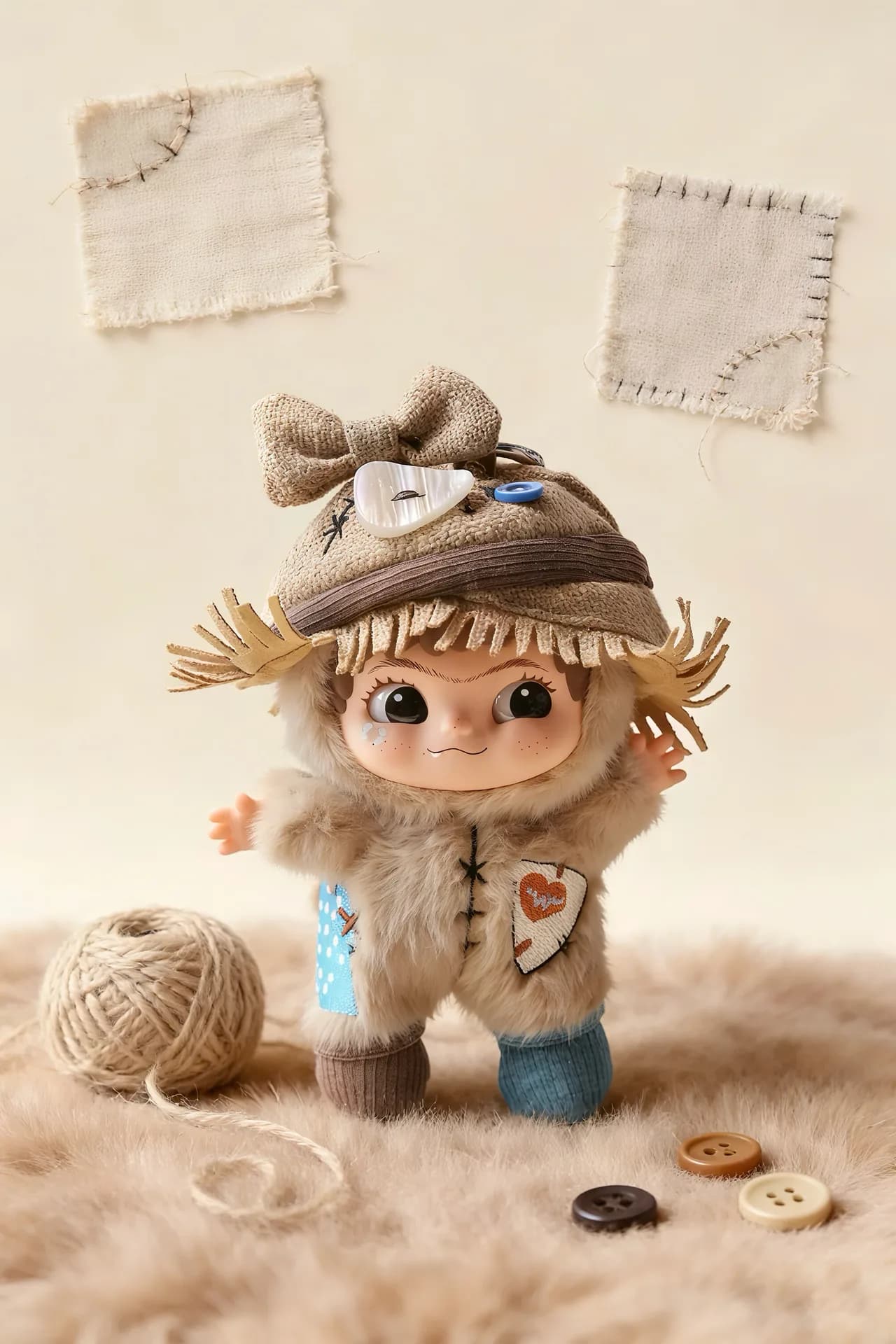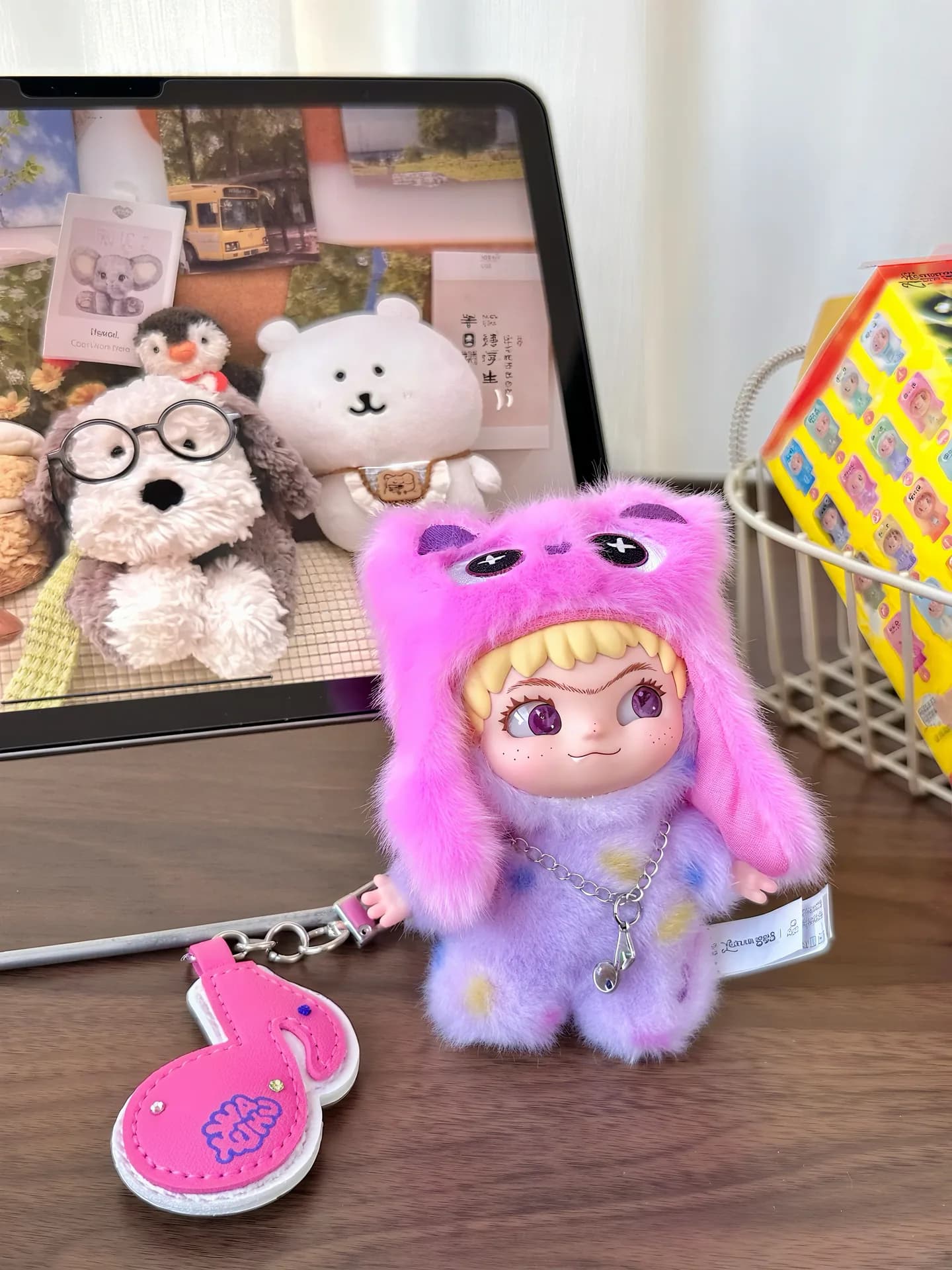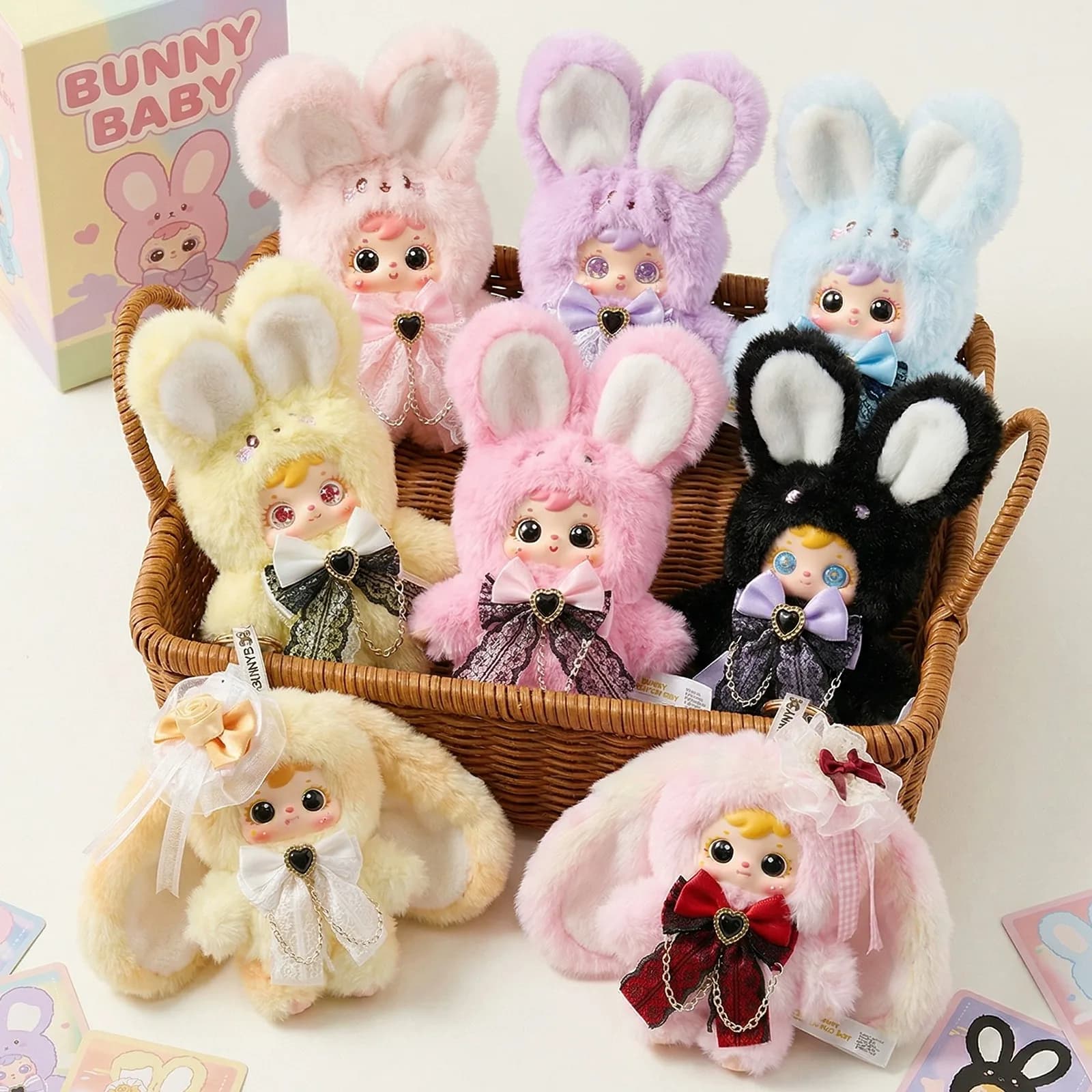
Three products, not one category
A keychain has a split ring and is built to survive a pocket. A bag charm has a lobster clasp or a swivel hook and is built to be seen. A pendant hangs from a cord and is usually the cheapest of the three.
Buyers who ask for a plush keychain and picture a bag charm get a quote for the wrong product. Name the attachment first and the rest of the brief follows.
Hardware decides your returns rate
Almost every complaint on this category traces back to the fitting. A weak ring opens, a plated clasp discolours, a stitched loop pulls out of the seam.
Specify the metal, the finish and how the fitting is anchored into the body. Ask what the pull strength is and check it on the sample yourself, because the photo will not show you.
Size and weight move the price more than you expect
Charms usually sit between 8cm and 15cm. Going up a few centimetres adds fabric, fill, embroidery time and carton volume all at once, so the unit cost does not scale gently.
Decide the size before you compare suppliers. Requoting a size change after sampling costs more than getting the first sample right.
Packaging is most of the perceived value
At this price point the packaging is the product experience. A polybag, a header card, a hangtag and a barcode are four separate decisions, and retail buyers judge the line on them.
If the charms are going into a blind box or a display counter unit, that changes the assortment, the inner packing and the carton count. Raise it at the quote stage rather than after.
Character charms carry the same IP rules
Charm formats are where character properties spread fastest. Wakuku, published by Letsvan, shows up as plush, blind box figures and giftable charms, and the charm version is often the volume line.
The rules do not relax because the product is small. Use original characters, your own artwork, or a property whose route we can actually confirm. Cloud9 does not source counterfeit, replica or unauthorized branded toys.